When Hurricane Teddy sent a serious swell to Long Island
September 2020 was an active month in the Atlantic, and one of the storms that made an impression on Long Island was Hurricane Teddy.
Teddy never made landfall on Long Island. Instead, the powerful hurricane stayed offshore as it tracked north through the Atlantic. But storms don’t have to make landfall to have an impact on the New York coastline. Teddy generated a large, long-period swell that eventually made its way toward the South Shore of Long Island.
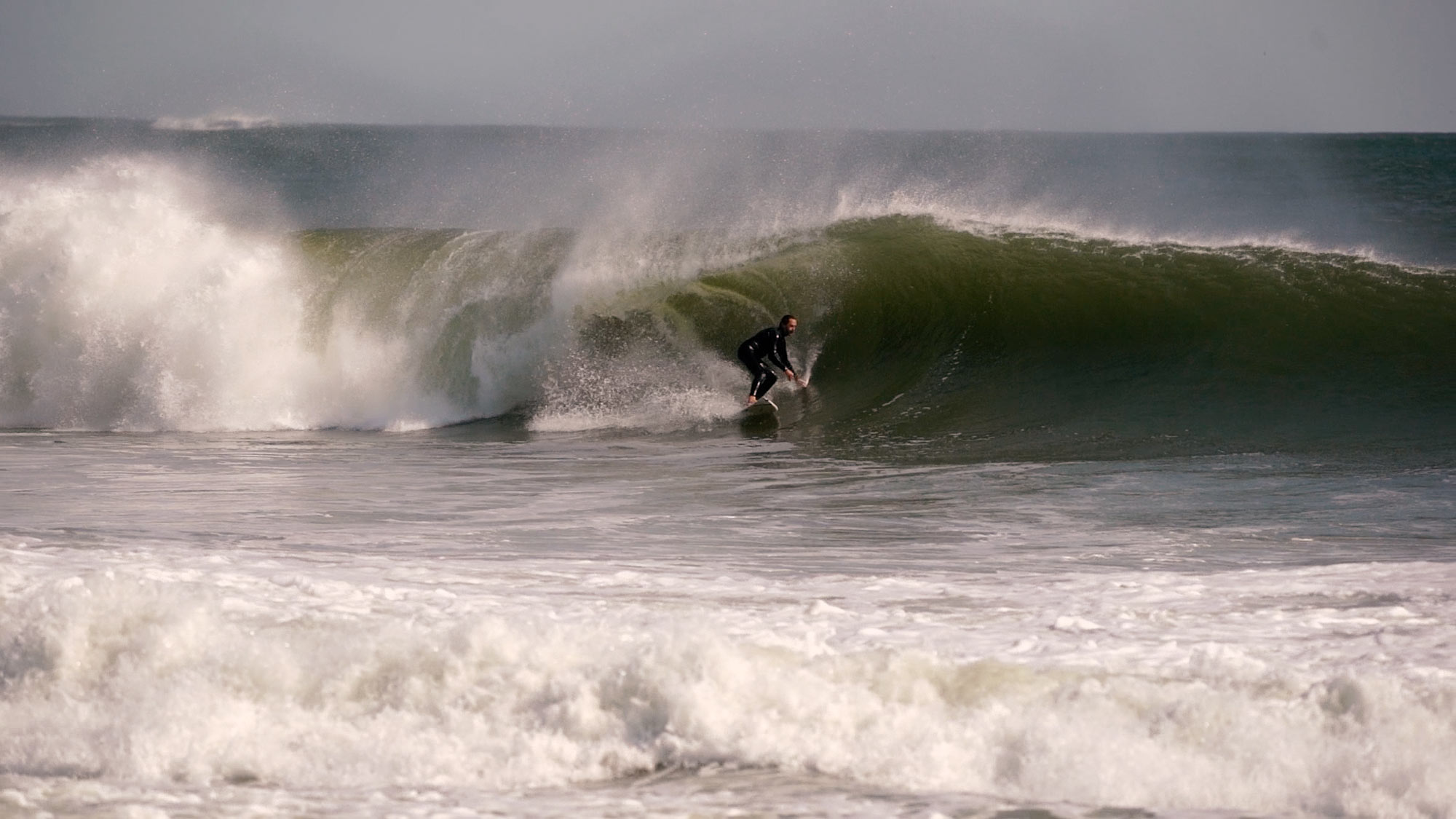
On September 21, 2020, I was at Lido Beach filming surfers as that swell rolled in.
I wasn’t there because I was tracking Hurricane Teddy or following the storm forecast. I was there to film the surfers, and once I got down to the beach, it was pretty obvious that there was something different happening in the water.
The ocean had a completely different look.
There was a lot of energy coming through the lineup. Sets were rolling in with plenty of power, and surfers were spread out looking for the better waves. From behind the camera, it was one of those sessions where you could spend as much time watching the ocean as you did actually filming.
Surfline called Teddy the “Main Event”
After the fact, I came across Surfline’s coverage of the swell, and their reporting put into perspective just how significant the storm was for East Coast surfing.
Surfline described Hurricane Teddy as the “Main Event” of the 2020 Atlantic Hurricane Season, calling it a widespread, long-period swell that would produce some of the biggest surf of the year along portions of the East Coast.
Their September 21 coverage specifically highlighted Long Island as one of the areas seeing the effects of Teddy’s swell. Surfline reported overhead surf in the area, with the combination of Teddy’s incoming swell and favorable local winds helping to produce good conditions along the South Shore.
Looking back at the footage I shot that day, the Surfline reports help explain what I was seeing from the beach.
This wasn’t simply a windy day with some larger waves.
Teddy had generated a powerful swell hundreds of miles offshore, and that energy was reaching Long Island.
Lido Beach was the perfect place to document it
Lido Beach faces the Atlantic and is part of the Long Beach barrier island, making it directly exposed to incoming South Shore swells.
On this particular day, the waves had plenty of size and power, and the surfers were taking full advantage of the conditions.
That’s what I was there to capture.
When you’re filming surfing from the beach, you’re constantly trying to anticipate what is going to happen before it happens. You’re watching the lineup, looking for a surfer getting into position, trying to follow them through the wave and hoping you picked the right surfer when a set finally comes through.
The challenge is that the ocean doesn’t exactly follow a script.
One wave might look perfect from the beach and close out completely. Another wave that looks average can suddenly open up and give a surfer a great ride.
And when a hurricane swell is running, everything happens with a little more speed and power.
The difference with a long-period swell
One of the things that made Teddy’s swell significant was its period.
For people who don’t surf, wave height is usually the first thing they think about. Surfers pay close attention to wave period, too.
A long-period swell means the waves have traveled a much greater distance from the storm that created them. The energy is more organized, and when that swell reaches shallow water, it can produce powerful waves even if the reported wave height doesn’t sound enormous.
That’s part of what makes hurricane swells so exciting for East Coast surfers.
The storm can be nowhere near the beach, but you can still feel what it is doing.
And on September 21, that energy was showing up at Lido.
The conditions came together
Surfline’s coverage from September 21 and 22 described Long Island as having solid surf from Teddy, with favorable northerly winds helping clean up the South Shore breaks. On September 22, Surfline reported the Teddy swell still holding on Long Island, with many areas seeing head-high to overhead surf.
That combination of a strong swell and offshore wind can make a huge difference.
The hurricane provides the energy.
The local wind determines what that energy looks like when it reaches the beach.
When those two things line up, surfers get a chance to take advantage of it.
And that’s exactly what I was there to document.
Behind the camera
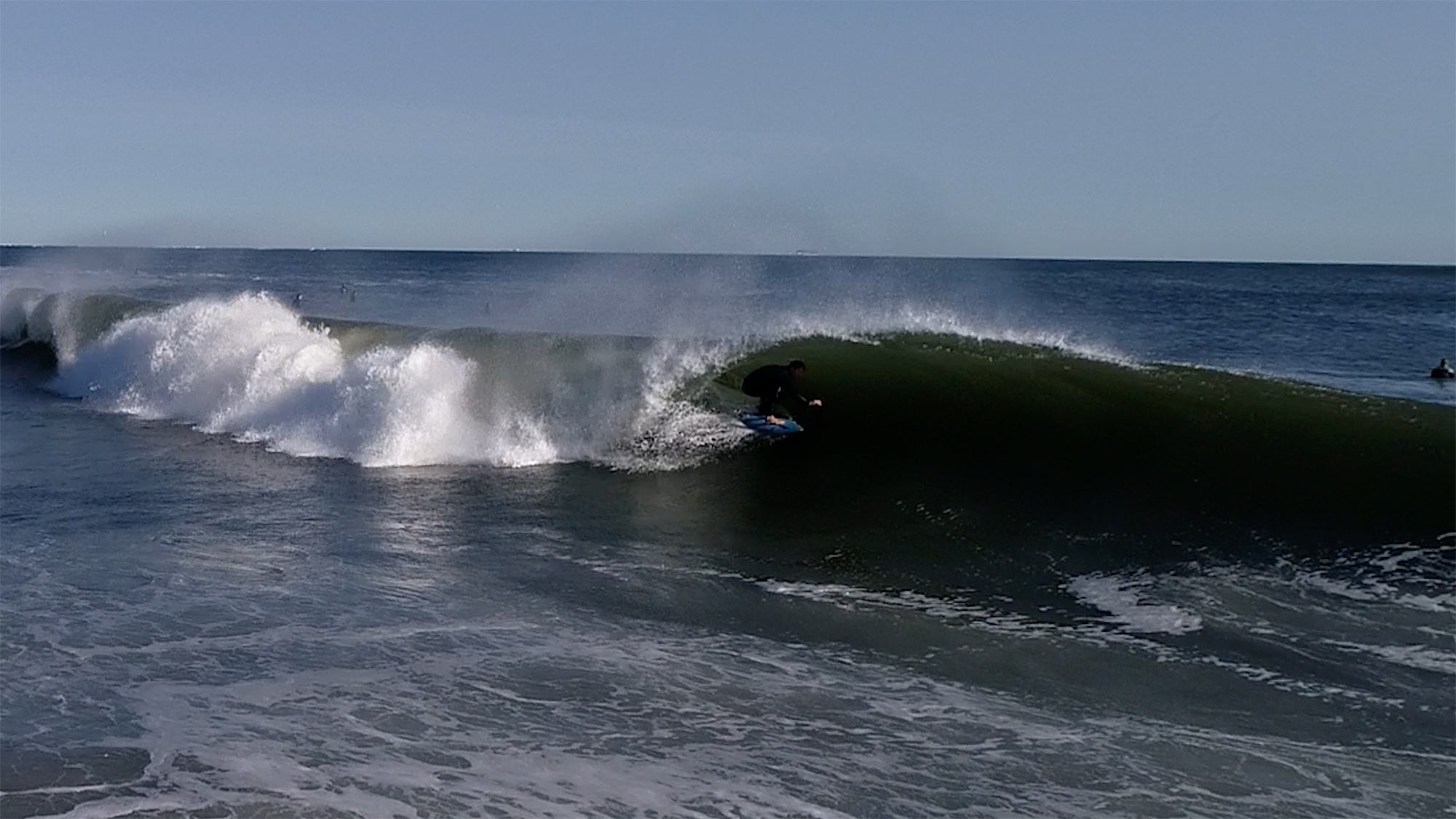
I wasn’t in the water. I was standing on the beach with my camera, watching the surfers work the lineup.
For me, that’s one of the fun parts of shooting surfing.
You’re not just photographing a person riding a wave. You’re photographing a moment that lasts only a few seconds.
You have to anticipate the takeoff.
Then follow the surfer.
Follow the wave.
Watch for the spray.
Try not to lose them against the background.
And hopefully, everything comes together in the frame.
With bigger hurricane-generated surf, there’s another level of anticipation because the sets can be unpredictable. You might be waiting for several minutes with nothing particularly interesting happening, and then suddenly a larger set appears on the horizon and everyone starts scrambling into position.
That’s when the camera comes up.
Teddy wasn’t the only storm that month
Interestingly, Hurricane Teddy wasn’t the only tropical system to produce surf for Long Island that September.
Hurricane Paulette had generated another significant swell earlier in the month, around September 14 and 15. Then, about a week later, Teddy sent another major pulse of swell toward the East Coast.
It made September 2020 a pretty memorable month for East Coast surfers.
But Teddy was on another level.
Surfline’s coverage described Teddy as producing the major East Coast swell of the 2020 hurricane season, with the storm’s enormous size and strength allowing it to send swell across a huge portion of the coastline.
Looking back at the footage
What makes this particular session interesting to me now is being able to look back at the footage with the benefit of knowing what was happening offshore.
At the time, I was simply there doing what I do: filming surfers.
But Hurricane Teddy was creating an enormous amount of energy far out in the Atlantic, and that energy eventually showed up right in front of me at Lido Beach.
That’s one of the great things about shooting surfing on Long Island. You can be standing on a familiar beach, looking at a familiar ocean, and suddenly the conditions change and you get something completely different.
You don’t need a tropical island.
You don’t need a famous surf break.
Sometimes a hurricane hundreds of miles offshore is enough.
GEAR
Link To ALL Gear – https://www.amazon.com/shop/jaybelsky